
Retriever Blog
The latest news, technologies, and resources from our team
What to Do With Old Laptops in 2026: A Guide for Businesses
Not sure what to do with an old laptop? Learn how to securely erase your data, reuse, sell, donate, or recycle your device, plus responsible disposal options for businesses.
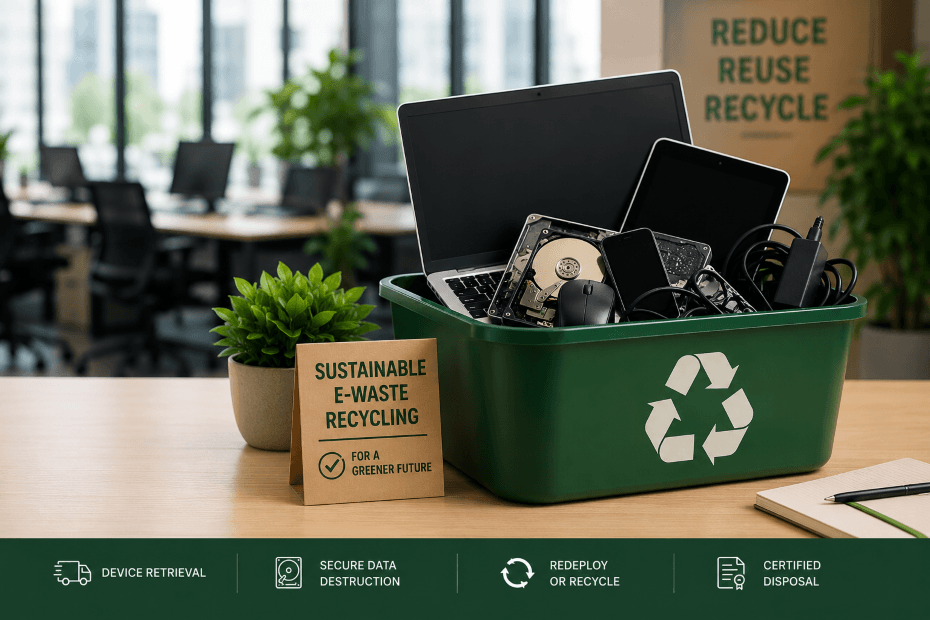
Business E-Waste Recycling in 2026: A Complete Guide to Secure IT Asset Disposal
Old laptops sitting in storage rooms create more than clutter. For businesses, e-waste now affects security, compliance, inventory tracking, and data destruction. This guide breaks down what sustainable e-waste recycling should actually look like in 2026, including device retrieval, secure data destruction, redeployment, responsible recycling, and IT asset lifecycle management.

Laptop Disposal for Businesses: Best Practices for Security and Compliance
Proper laptop disposal involves more than recycling old devices. Learn how businesses can securely destroy data, maintain compliance, follow NIST 800-88 guidelines, document chain of custody, and use ITAD best practices to retire laptops responsibly.
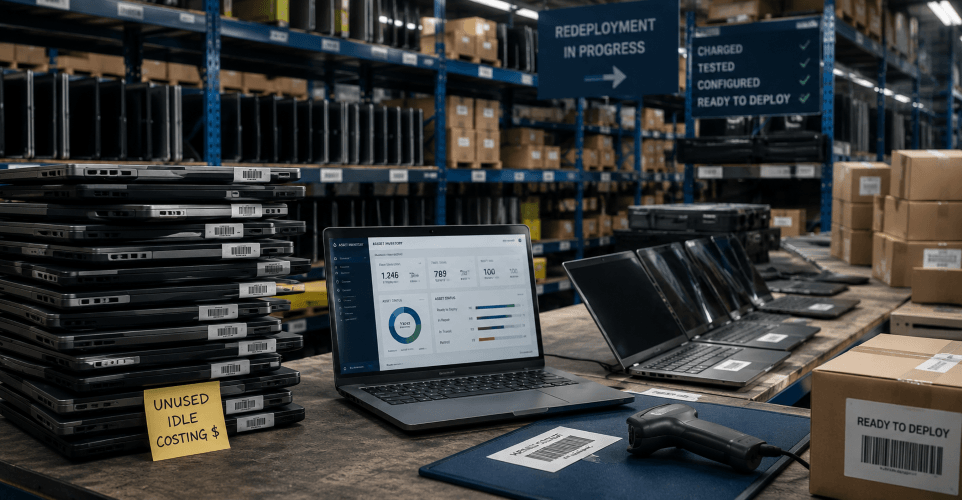
The ROI of Laptop Warehousing and Redeployment: Why Companies Need to Stop Buying Laptops They Already Own
Laptop warehousing and redeployment can reduce unnecessary hardware spending by keeping usable devices in circulation. Learn how centralized warehousing improves inventory visibility, supports remote onboarding and offboarding, extends laptop refresh cycles, and helps companies get more value from hardware they already own.
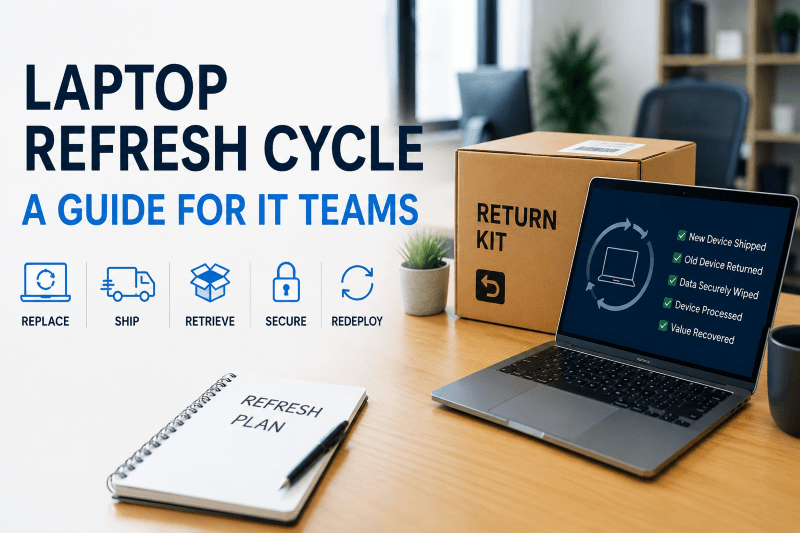
Laptop Refresh Cycle Guide: How IT Teams Manage Device Lifecycle Refreshes in 2026
Laptop refresh cycles are no longer just about replacing old hardware. For remote and hybrid teams, refresh projects now involve shipping coordination, device retrievals, secure data destruction, redeployment planning, and tracking devices across distributed workforces. This guide breaks down how modern IT teams manage Device Lifecycle Refresh (DLR) programs, handle laptop swap workflows, and securely process aging hardware at scale.

Best Practices for Safely Returning Company Equipment in 2026
Returning company laptops shouldn’t feel chaotic. In this practical guide, we break down how modern IT and HR teams manage secure equipment returns in 2026, from employee prep and standardized packaging to tracking, redeployment, and compliant disposal. Learn what a predictable, auditable laptop return process actually looks like for distributed teams.
10 Key Factors for Choosing the Right Hardware Asset Management Vendor in 2026
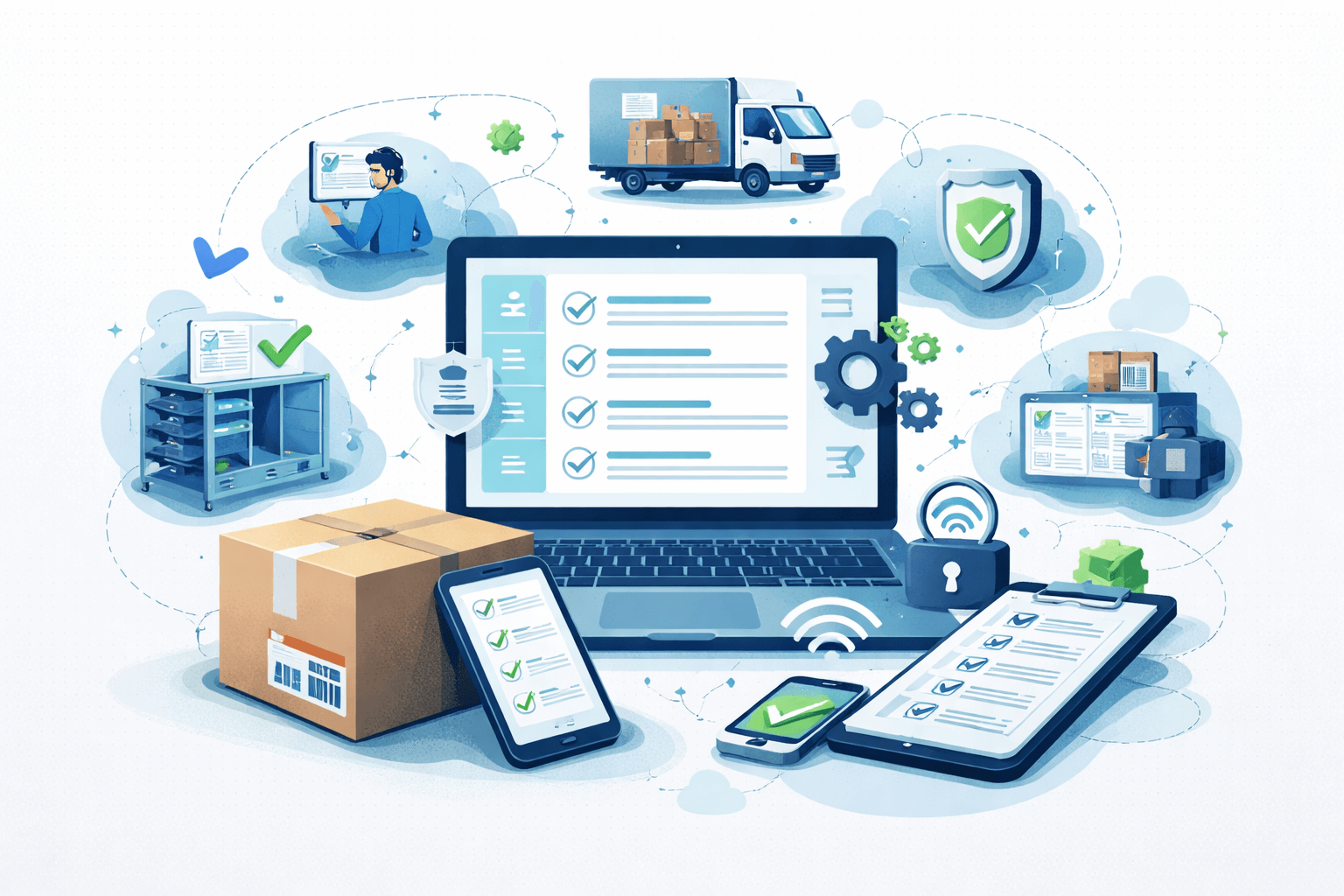
Most IT teams don’t realize they chose the wrong hardware asset management vendor until devices go missing, audits get messy, or costs start climbing. This guide breaks down what actually matters when evaluating vendors in 2026. From execution and security to lifecycle ownership and real-world outcomes.

Device Visibility in 2026: Why It’s the #1 KPI for IT Leaders
Device visibility helps IT leaders track hardware across its lifecycle, from employee offboarding and device recovery to data sanitization and redeployment. Learn the key device visibility KPIs IT teams should measure in 2026 and how better visibility supports security, compliance, finance, and hardware planning.

Best Practices for Supplying Devices to Remote Workers in 2025
Managing remote work equipment in 2025 means more than just shipping laptops. With over 33 million U.S. employees working remotely, IT teams need end-to-end device lifecycle management—from provisioning and shipping with tracking, to redeployment and secure disposal. This guide covers best practices to cut costs, reduce risks, stay compliant, and keep remote employees productive from day one.
How to Streamline Laptop Returns in 5 Simple Steps
Discover a proven laptop retrieval process in this remote offboarding guide. Learn how to securely collect devices, reduce loss, and improve IT efficiency with a step-by-step strategy built for hybrid and remote teams.

How Retriever's Platform Innovates Laptop Return Tracking
Struggling with unreturned laptops during offboarding? You're not alone. Nearly half of companies lose devices they can’t track. In this post, we explore why modern laptop tracking is critical—and how Retriever’s platform gives IT teams real-time visibility, control, and peace of mind.

Why Is It So Important for IT Teams to Have a Fast and Easy Laptop Return Process?
Struggling to keep tabs on remote devices? An efficient laptop return service helps IT teams cut costs, reduce data security risks, and maintain full visibility of their laptop inventory—especially during offboarding. Learn how to streamline your process and protect your tech assets in a remote-first world.

The Risks of Data Breaches: Why Secure Data Destruction is Essential
Secure data destruction helps businesses protect sensitive information when laptops and other IT devices are retired. Learn about data breach risks, NIST SP 800-88, data erasure, compliance considerations, and secure device disposal.