
Retriever Blog
The latest news, technologies, and resources from our team
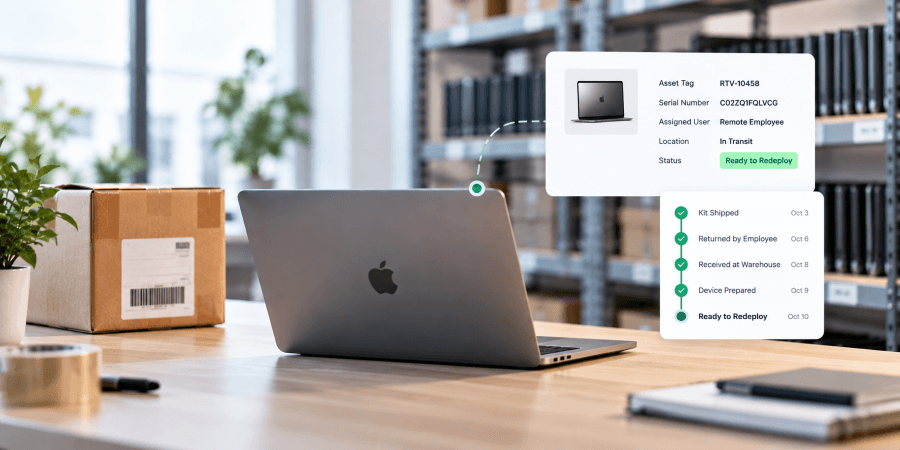
How to Track IT Assets Across Remote Employees in 2026
Remote IT asset tracking requires more than knowing where a laptop was shipped. Learn how to maintain visibility as devices move through deployment, employee returns, storage, redeployment, and final disposition.
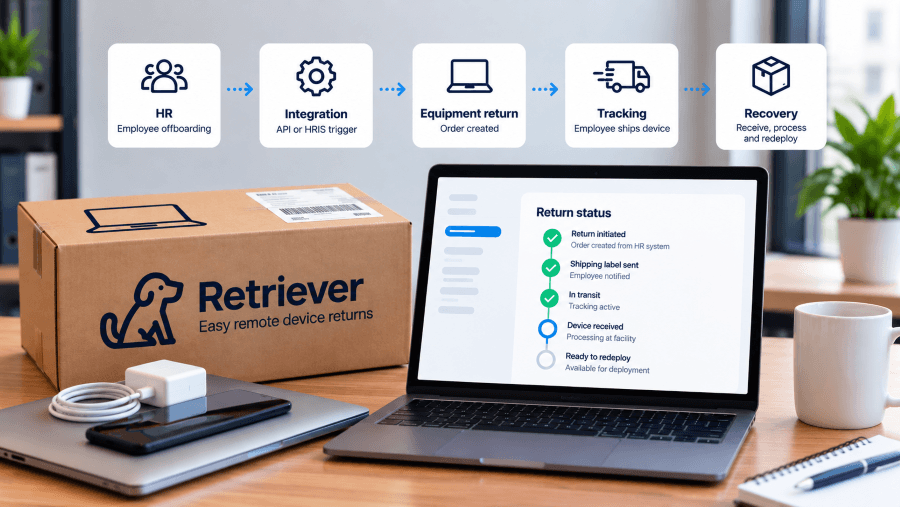
How to Automate Employee Equipment Returns With HR and IT Integrations
Automate employee equipment returns by connecting HR, IT, and asset management systems with return workflows. Learn how integrations and APIs can streamline device recovery, tracking, warehousing, and redeployment.
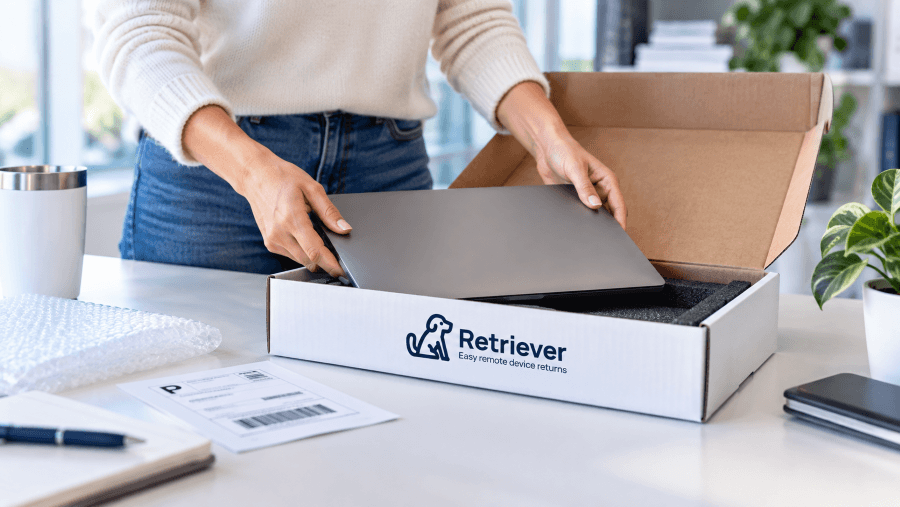
The True Cost of Laptop Returns in 2026: A Guide for IT Teams
What does it really cost to recover a company laptop? Learn how shipping, staff time, unreturned devices, redeployment, and buybacks affect the true cost of laptop returns.
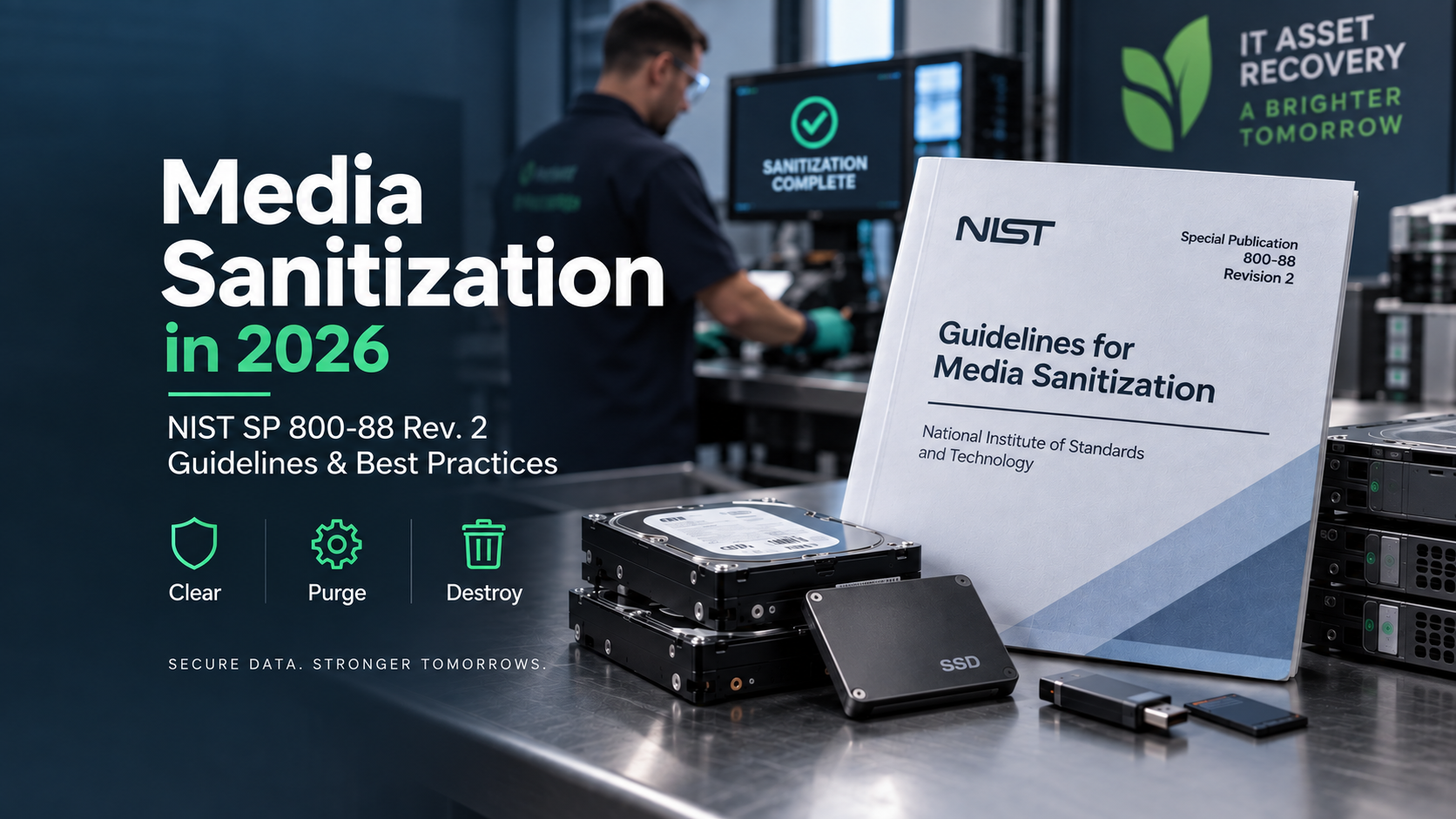
Media Sanitization in 2026: NIST SP 800-88 Rev. 2 Guidelines & Best Practices
Learn how businesses can securely sanitize data-bearing IT assets using NIST SP 800-88 Rev. 2 guidance, including Clear, Purge, Destroy, verification, validation, and documentation.
What to Do With Old Laptops in 2026: A Guide for Businesses
Not sure what to do with an old laptop? Learn how to securely erase your data, reuse, sell, donate, or recycle your device, plus responsible disposal options for businesses.
Top 10 Alternatives to Growrk in 2026: A Comprehensive Guide
Compare 10 of the top alternatives to Growrk in 2026, including Retriever, Workwize, Firstbase, Allwhere, QuipTeams, and more. See how they compare across IT asset management, device lifecycle services, pricing, integrations, and best-fit use cases.

How Much Does It Cost to Ship a Laptop in 2026?
How much does it cost to ship a laptop in 2026? Learn what affects laptop shipping costs, including packaging, carrier rates, insurance and IT labor, and compare the cost of managing remote employee laptop returns internally versus using a managed return service.

11 Best Laptop Retrieval Services for Remote Teams in 2026
Compare 11 of the best laptop retrieval services for remote teams in 2026. See how providers differ in retrieval, pricing, tracking, employee communication, warehousing, redeployment, security, and international support.

The Importance of Clear Communication in the Laptop Return Process
Clear communication is essential to an effective laptop return process. Learn best practices, real-world examples, communication frameworks, and proven strategies to improve laptop return rates, streamline employee offboarding, and recover company devices more efficiently.
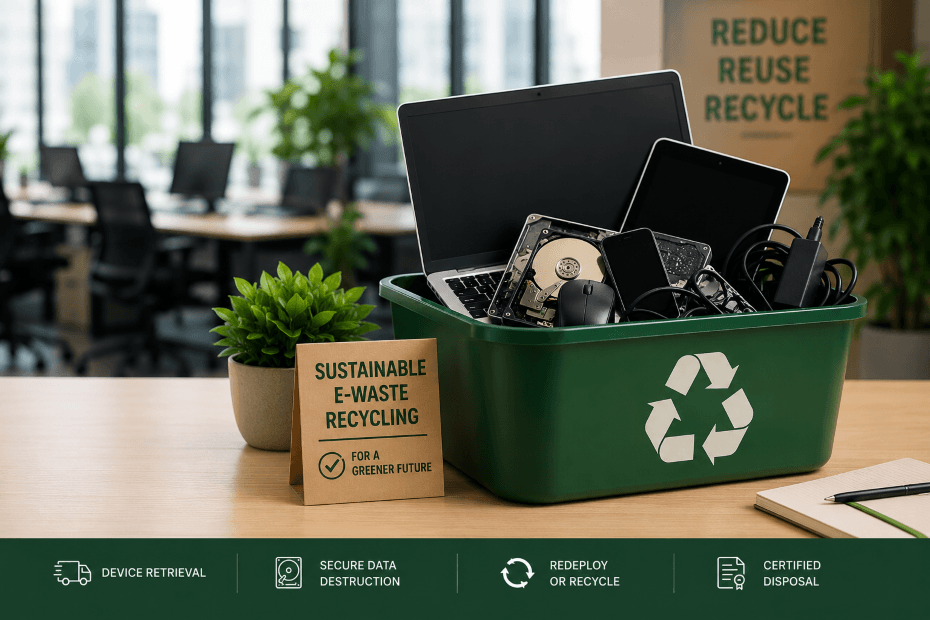
Business E-Waste Recycling in 2026: A Complete Guide to Secure IT Asset Disposal
Old laptops sitting in storage rooms create more than clutter. For businesses, e-waste now affects security, compliance, inventory tracking, and data destruction. This guide breaks down what sustainable e-waste recycling should actually look like in 2026, including device retrieval, secure data destruction, redeployment, responsible recycling, and IT asset lifecycle management.
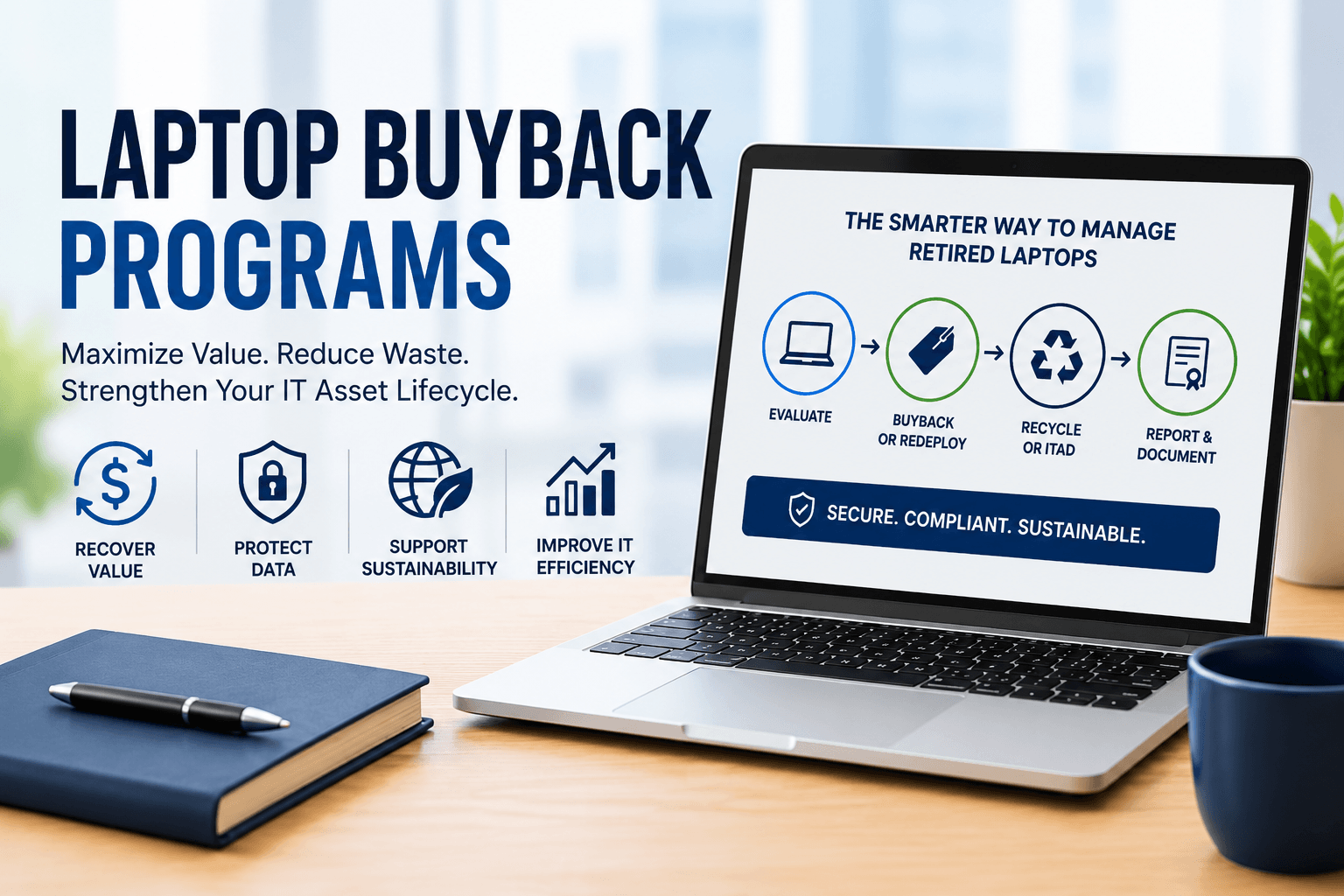
Laptop Buyback Programs: How to Maximize Value Throughout the IT Asset Lifecycle
Many organizations replace laptops long before they reach the end of their useful life. Learn how laptop buyback programs help organizations recover value from retired technology assets, what determines laptop buyback value, and how buyback fits within a broader IT asset lifecycle strategy alongside redeployment and IT asset disposition.

Common Employee Laptop Return Challenges (And How to Solve Them)
Employee laptop returns can create challenges for IT and HR teams, from unresponsive employees and shipping delays to damaged devices and limited tracking. Learn how a structured laptop return process can improve recovery, reduce manual work, and simplify offboarding.
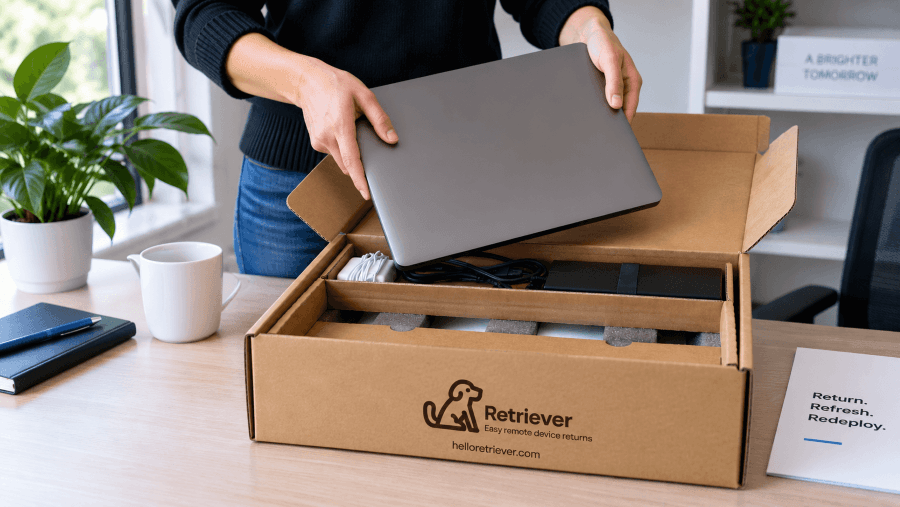
Business Asset Protection: How Laptop Retrieval Services Protect Company Assets
Learn how laptop retrieval services help businesses protect company assets, recover devices from remote employees and contractors, maintain chain of custody, and securely manage laptops through their next lifecycle stage.

Laptop Disposal for Businesses: Best Practices for Security and Compliance
Proper laptop disposal involves more than recycling old devices. Learn how businesses can securely destroy data, maintain compliance, follow NIST 800-88 guidelines, document chain of custody, and use ITAD best practices to retire laptops responsibly.

Optimizing Laptop Inventory Management: Streamlined Warehousing and Deployment Solutions for IT Teams
Managing laptop inventory across multiple locations can quickly become difficult without accurate device tracking and inventory visibility. This guide explores laptop inventory management best practices, including deployment workflows, redeployment strategies, compliance considerations, and IT asset management processes that help organizations improve operational efficiency and reduce unnecessary hardware spending.
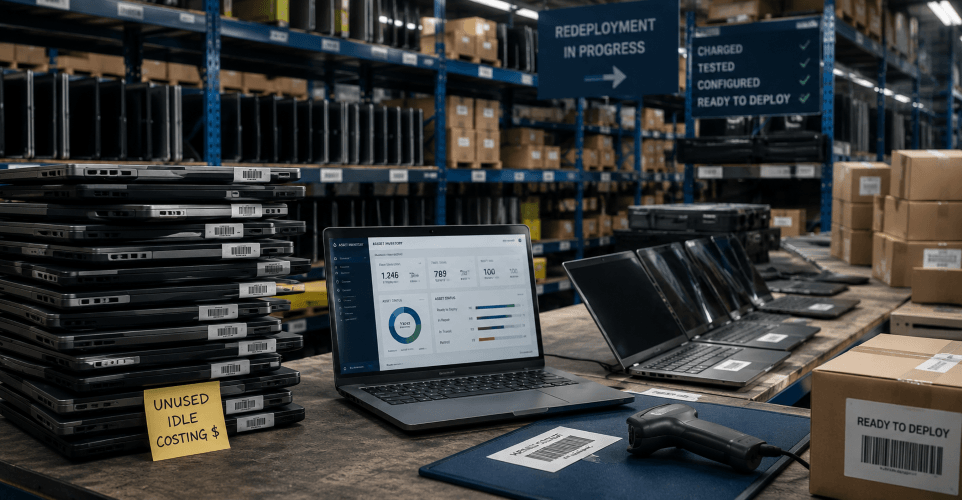
The ROI of Laptop Warehousing and Redeployment: Why Companies Need to Stop Buying Laptops They Already Own
Laptop warehousing and redeployment can reduce unnecessary hardware spending by keeping usable devices in circulation. Learn how centralized warehousing improves inventory visibility, supports remote onboarding and offboarding, extends laptop refresh cycles, and helps companies get more value from hardware they already own.

How Computer Shipping Services Support Remote Device Management in 2026
Remote work has transformed how companies retrieve, track, redeploy, and securely dispose of laptops and IT equipment. This guide explains how modern computer shipping services support remote offboarding, device lifecycle management, chain-of-custody workflows, redeployment operations, compliance requirements, and centralized tracking across distributed teams.
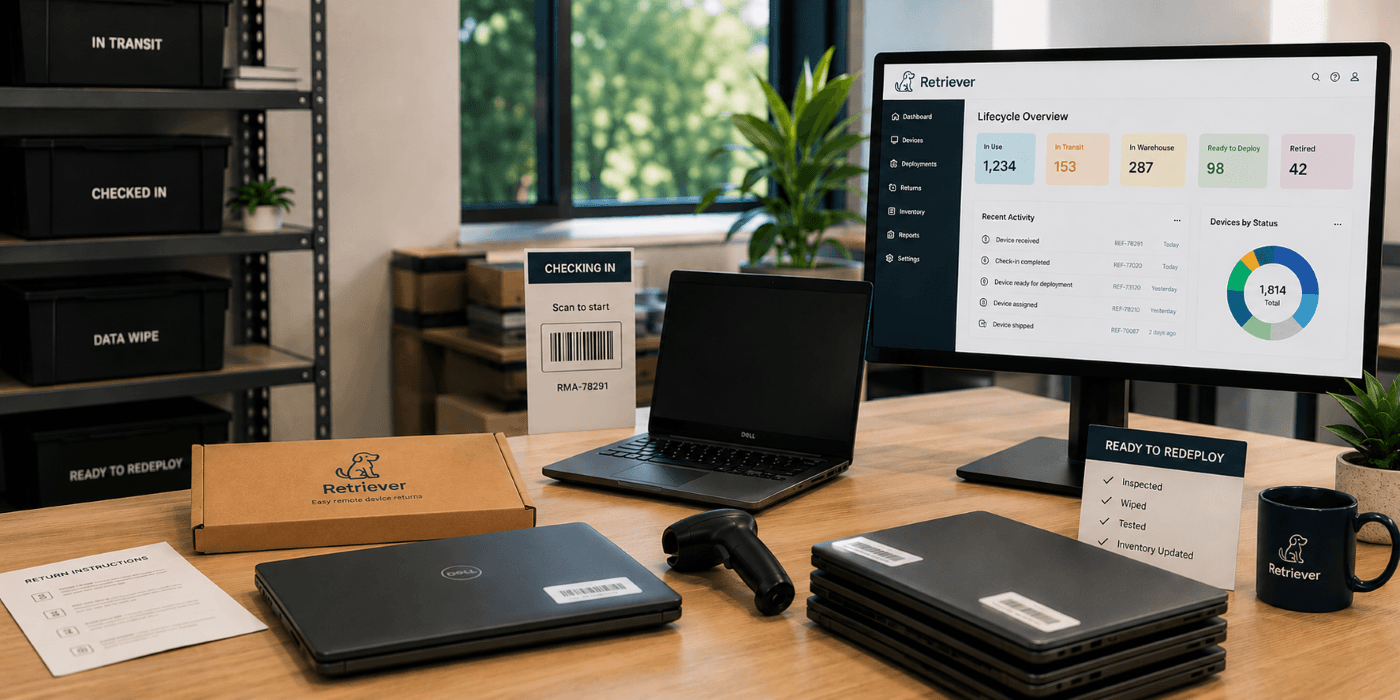
How Retriever Transforms IT Hardware Lifecycle Management in 2026
Learn how IT hardware lifecycle management helps companies manage device retrieval, warehousing, redeployment, refresh cycles, compliance, and secure end-of-life disposition.
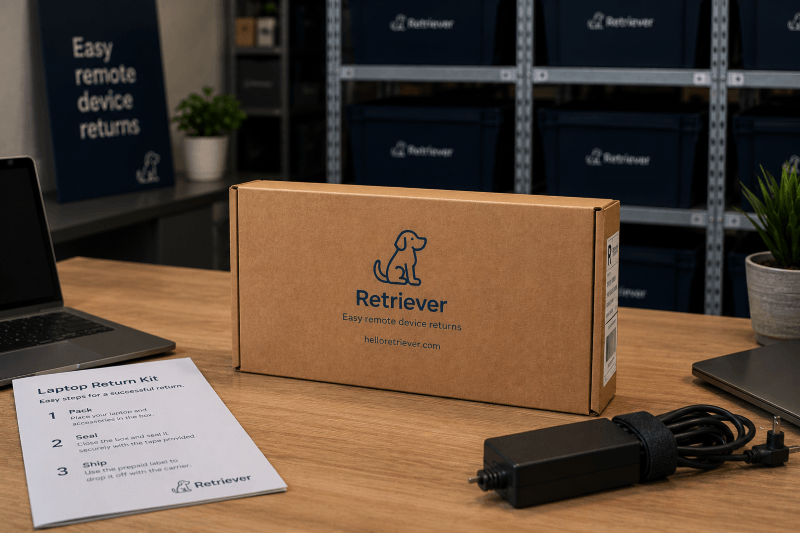
How Retriever’s Laptop Return Kits Help Safely Retrieve Remote Employee Devices
Remote laptop returns can quickly become difficult for IT teams to manage when employees use random boxes, insufficient padding, or inconsistent return methods. This guide explains how Retriever’s laptop return kits help companies reduce shipping damage, simplify remote device recovery, improve return visibility, and create a more manageable laptop retrieval process during employee offboarding.

Laptop Returns in the Gen Z Era: What IT Teams Need to Know
Gen Z now makes up a significant portion of today’s workforce, reshaping employee offboarding with their high job mobility and digital-first expectations. This generation demands flexible, mobile-friendly, and automated offboarding processes—especially when it comes to returning company laptops. Traditional manual retrieval methods can’t keep pace, leading to lost devices and compliance risks. IT and HR teams must adapt by automating workflows, providing prepaid return kits, and offering real-time tracking to meet Gen Z offboarding needs efficiently. Streamlining these processes helps organizations reduce asset loss and maintain security amid fast-paced Gen Z job mobility.